
From Hollywood's Legendary Voice Coach
You Were Born to Sing
A Singer Is Born (You!)
Your voice isn't weak and you don't lack talent…
No matter how much you've struggled or felt embarrassed to sing in the past, Hollywood's legendary voice coach — the man who helped Joaquin Phoenix, Bradley Cooper and Reese Witherspoon sing their way to Oscar nominations — is going to help you sing like you've been doing it all your life.
See the Full 3-Point System →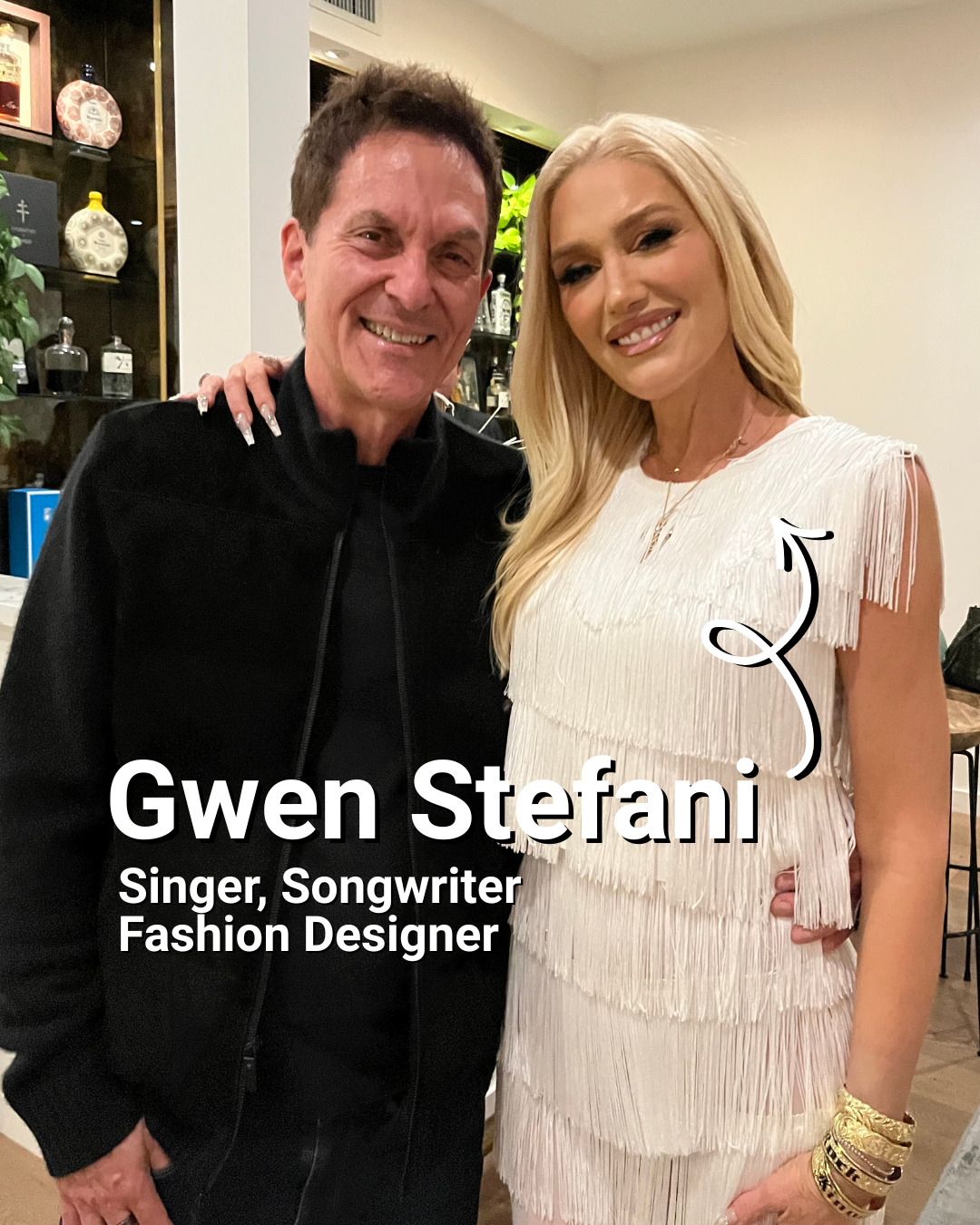
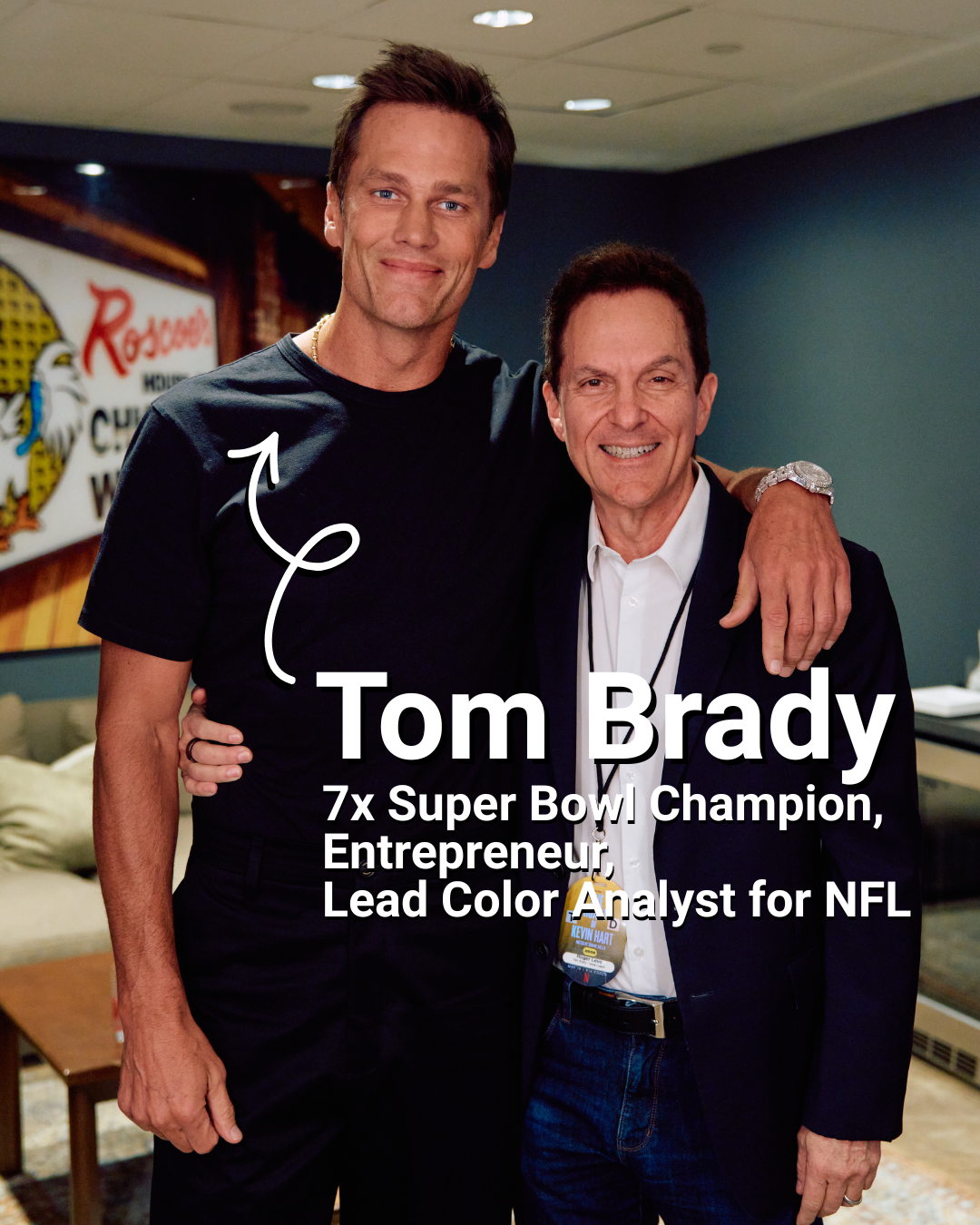
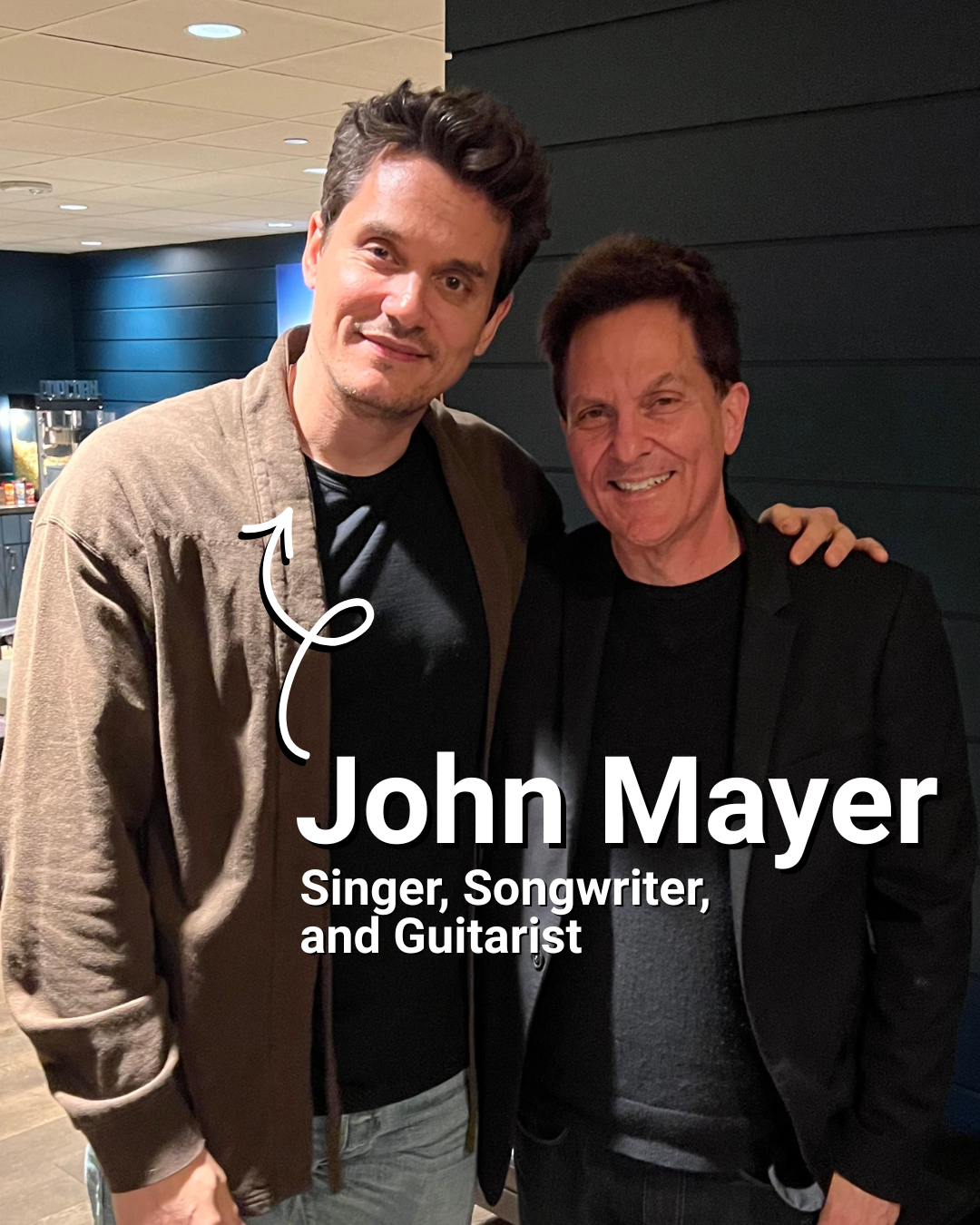
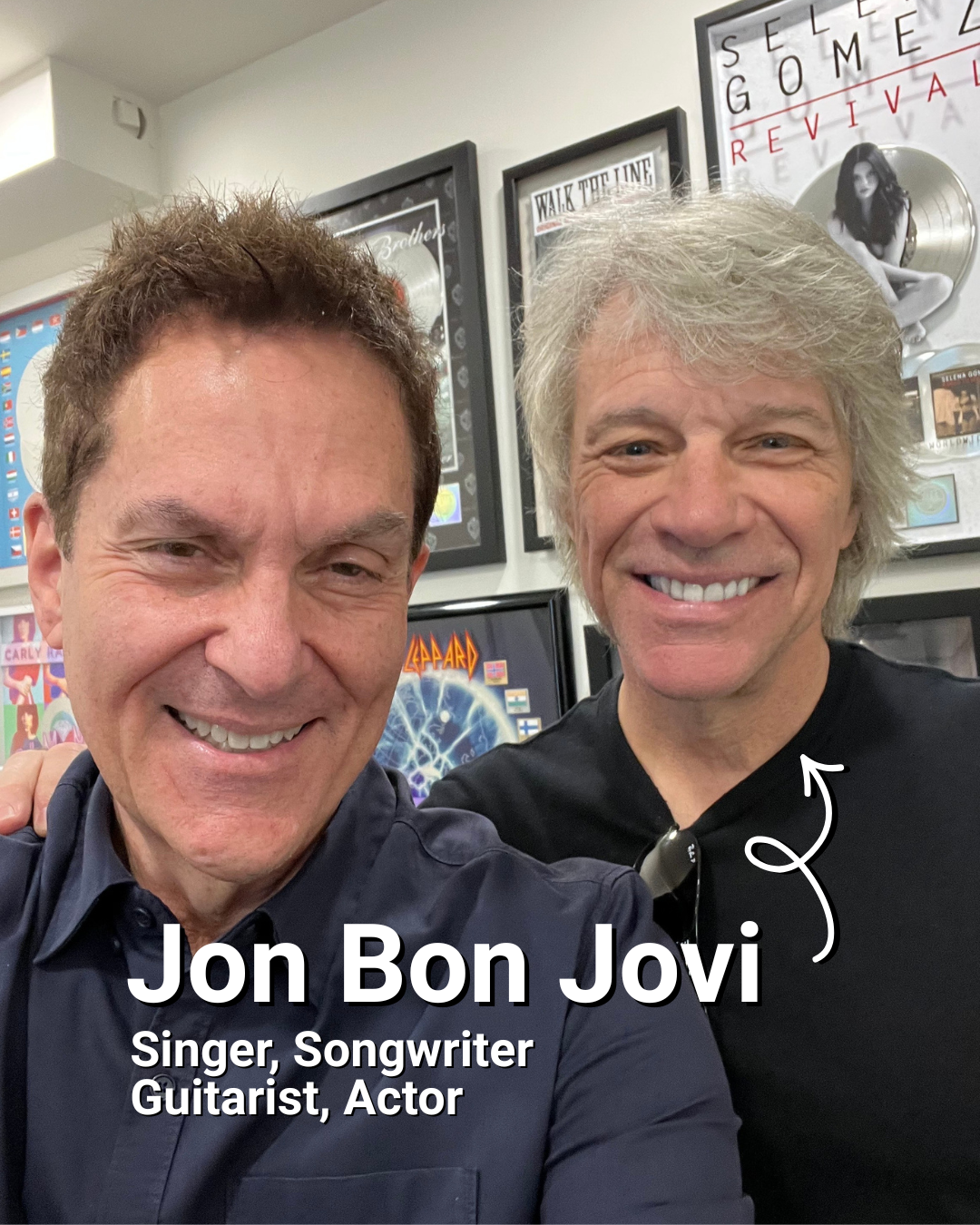
Roger has coached

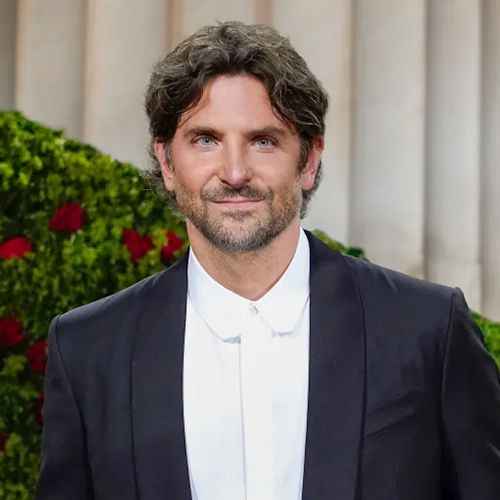
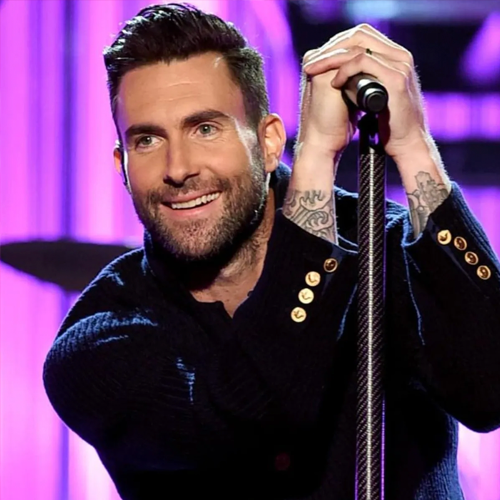
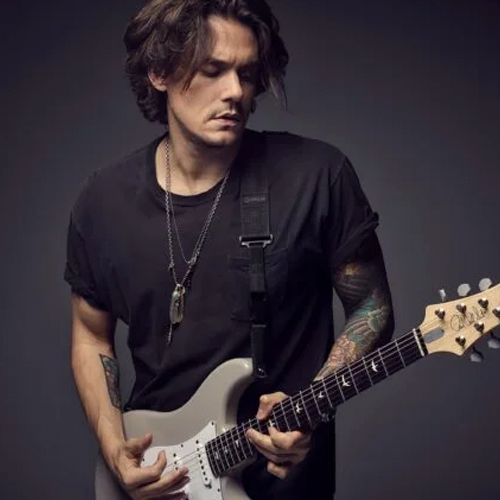

Singing is literally like reaching deep inside…
Grabbing a piece of your soul…
And then openly sharing it with the world.
That's why it feels so good.
But it's also why it feels so scary and vulnerable.
The good news is — whether you've always dreamed of singing since you were young or you just recently got inspired…
Whether you feel shy or embarrassed or nervous about singing…
And especially if you've felt the desire to sing, while also feeling insecure about your talent or voice cracks or performance issues…
This is going to be the most important message you've ever read.
Because you weren't born with a weak or ugly voice. You simply have an untrained instrument.
And nobody ever showed you what this instrument, your voice, needs to sing as beautifully as you've always known was possible.
Let go of your past
How to Let Go of Your Past and Sing Freely
Maybe you had a bad experience in childhood that left you with the belief you couldn't sing.
Or you've tried, practiced and still felt your voice crack and fatigue…
And no matter what happened in your past or what you tried…
You never gave yourself the full permission to explore singing as much as your heart wanted.
My name is Roger Love and I'm here to tell you — your voice is NOT the problem. Your voice is fine, beautiful even.
I've worked with tens of thousands of people all over the world, and I've found that without exception, when someone feels that deep soul urge to sing… it means they can and should sing.
Your voice isn't weak or lacking talent — it simply was never trained.
A crack or bad experience isn't a lifelong verdict on your whole vocal instrument.
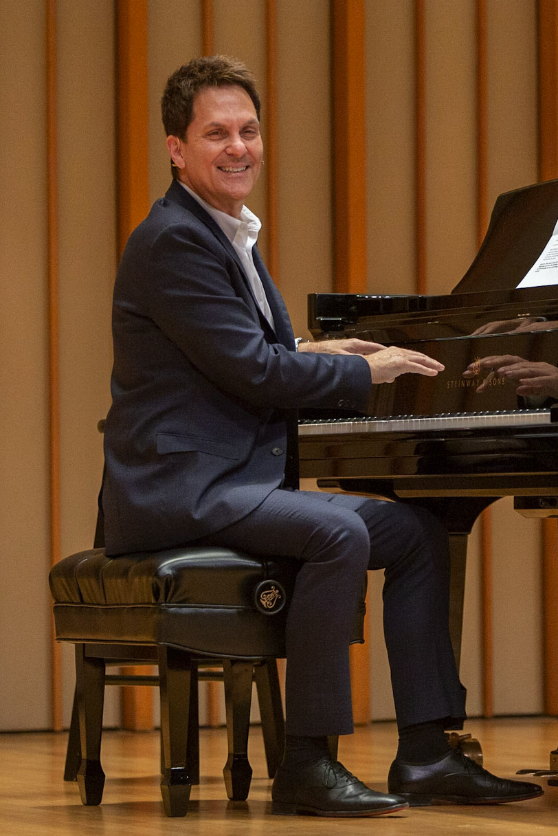
Roger Love — vocal coach to Grammy and Oscar winners for four decades.
It's simple physiology
The Solution to Singing Better Is Simple Physiology
Voice cracks and unpleasant singing experiences all have one thing in common:
A momentary loss of coordination at the transition points within your airway — and in particular, a specific, locatable, trainable point where your low notes hand off to your high ones.
Nobody ever taught you this, so you read it as a lack of talent. It was never talent. It was coordination — which is 100% trainable.
You weren't born without a voice. You were born with an instrument nobody showed you how to play.
That's not a metaphor — it's the literal shape of the problem: three specific coordination points (air, throat, the register bridge) that were never trained, and never trained in the order that makes them work.
Train the order and the instrument you already had starts to sound like one.
So what are those three coordination points — and in what order?
Before I tell you those points, I need to tell you the technique that brings air through each one…
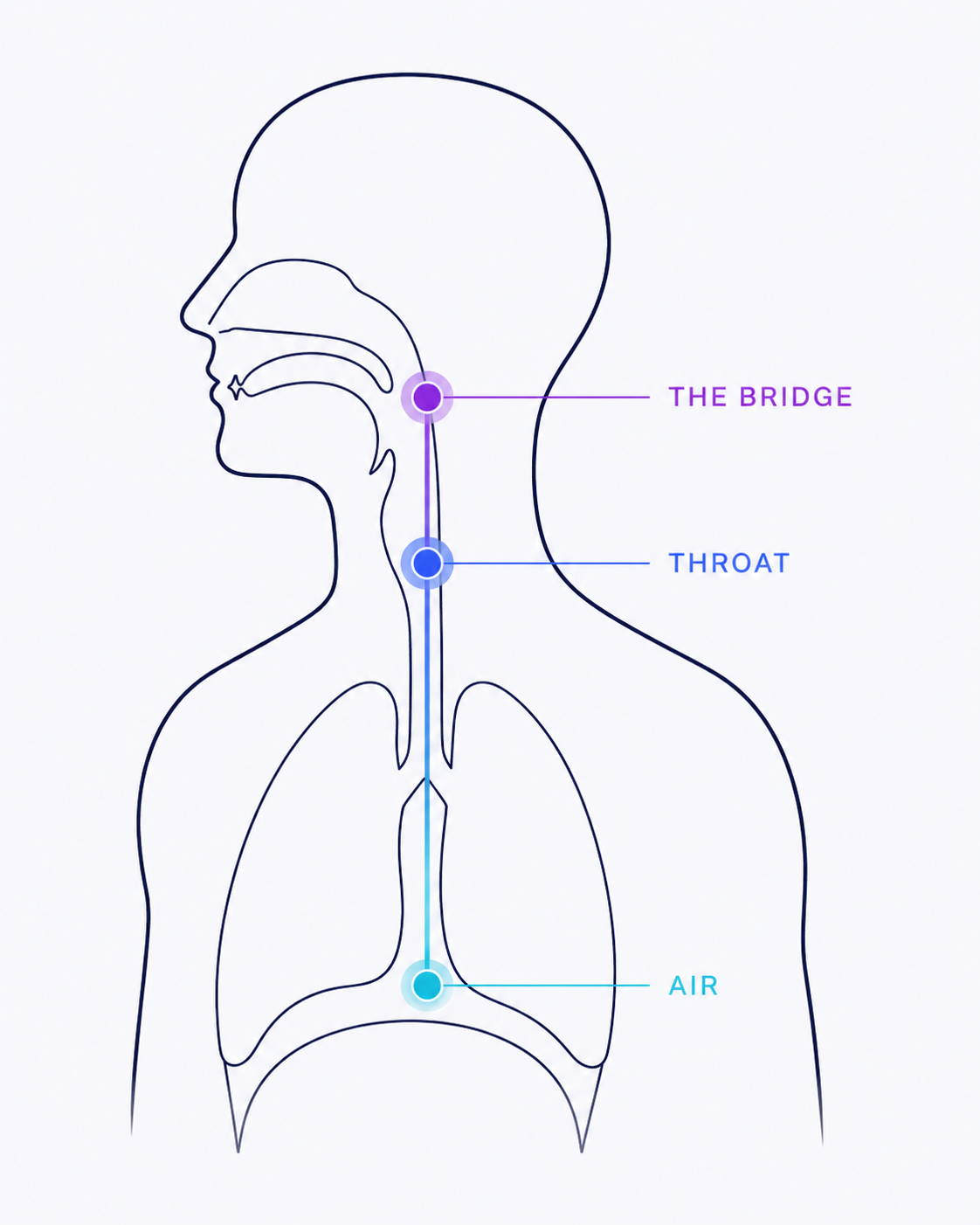
The three coordination points, in order: air, throat, the bridge.
Almost immediate change
You'll Notice Almost Immediate Change With My Solid AirFlow Sequence
That is what moves air through the three key coordination points to produce beautiful sound.
The word that matters most in it is sequence, because the three coordination points only work when you build them in one specific order.
Think of it like a row of dominoes. The first domino — steady air — has to fall before the second (an open throat) can, and the second before the third (the smooth bridge between low and high).
Knock them in order and the whole line goes. Start in the middle and nothing moves.
Yes, this is a real physiological requirement, a chain where each link has to hold before the next one can.
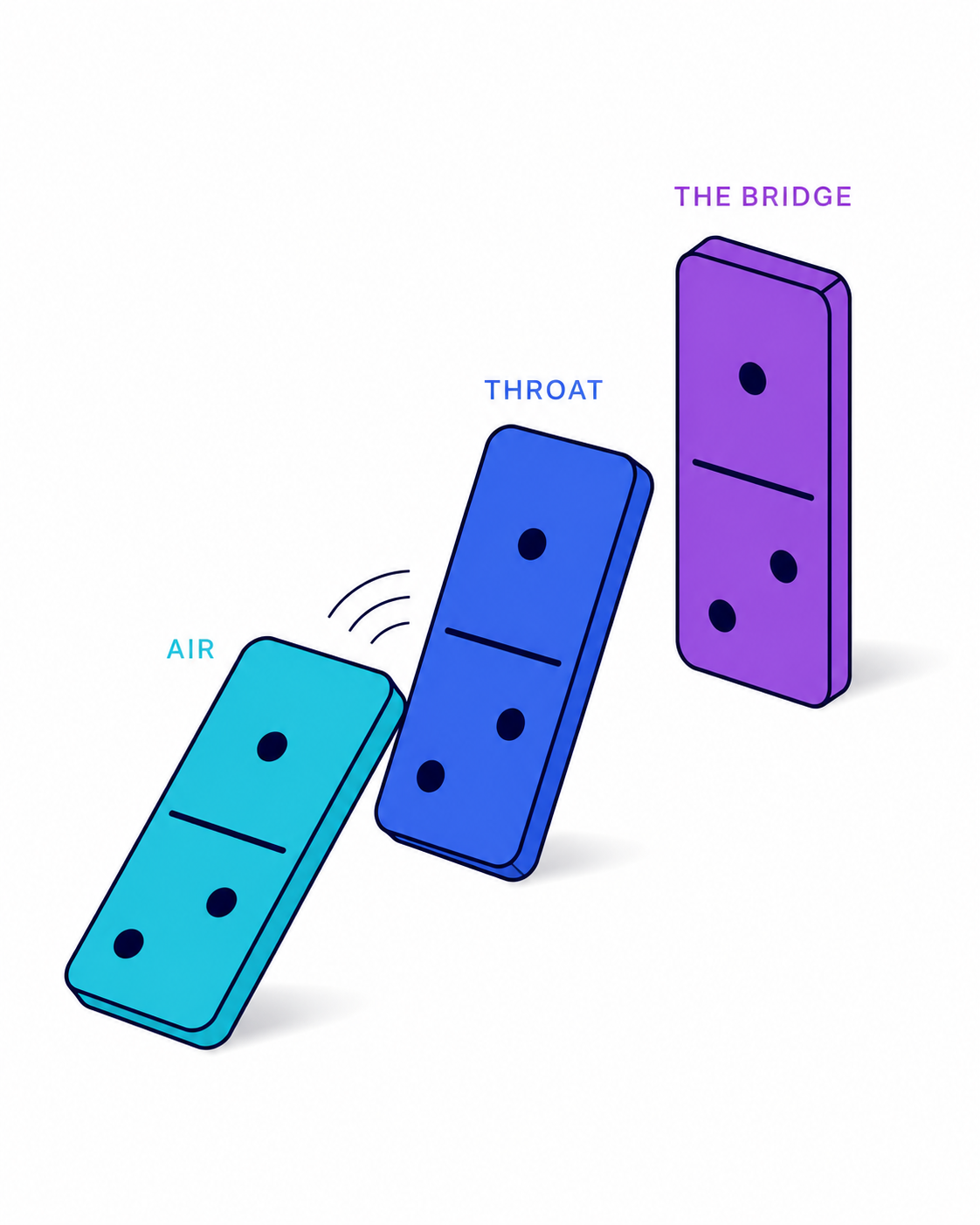
Three dominoes — steady air, open throat, the bridge — falling in order.
Basic physiology — works almost like magic
The Solid AirFlow Sequence
Three coordination points — air, throat, the bridge — trained in the one order that makes each one hold. Read left to right, it's your range: low to high.
01 · THE AIRFLOW POINT
Before a single note, you set up steady, even air from a relaxed belly — what I call Solid Air Flow. Think of easing down an accelerator pedal, not stomping it: smooth, controlled, unhurried. This is the one link that vocal science backs head-on, and it's the floor everything else stands on.
02 · THE OPEN-THROAT POINT
With the air steady underneath, your throat can open instead of squeezing shut. When your Adam's apple rides up, it's like a knot in a garden hose: it chokes off the high notes before they ever arrive.
03 · THE BRIDGE POINT
The smooth hand-off between your low notes and your high ones, the place your voice used to crack. Miss the first point and these last two won't hold. The order is the whole point.
This isn't my opinion, it's actually the true science of singing.
The evidence
Each Link In the Sequence
Is Proven By Real Research
THE AIR
37
A Journal of Voice study of 37 singers found diaphragmatic breathing training improved lung function and how long they could sustain a note. That's the Airflow Point, proven.
THE THROAT
8mm
Research on trained singers (PLOS ONE) found they lower the larynx about 8mm and open the throat space while singing. That's the Open-Throat Point — a measurable, physical phenomenon, not merely a feeling.
THE BRIDGE
Seam
Studies on trained sopranos have measured real physical change at the exact point where the voice bridges from low to high. That's the Bridge Point, documented at the very seam where your notes used to crack.
None of that proves what Love to Sing will do for your voice. For that you simply need to look at…
The proof
My Track Record of Working With Singers All Over The World
I've worked with Grammy winners like John Mayer and Selena Gomez…
Rock legends like Van Halen, Bon Jovi and Def Leppard — helping regain the airflow that turned back the clock on their voice and allowed them to tour again…
And I even helped actors who'd NEVER sung professionally before — like Joaquin Phoenix, Bradley Cooper and Reese Witherspoon — sing so well they received Academy Award recognition (Joaquin and Bradley were nominated, Reese won the Oscar).
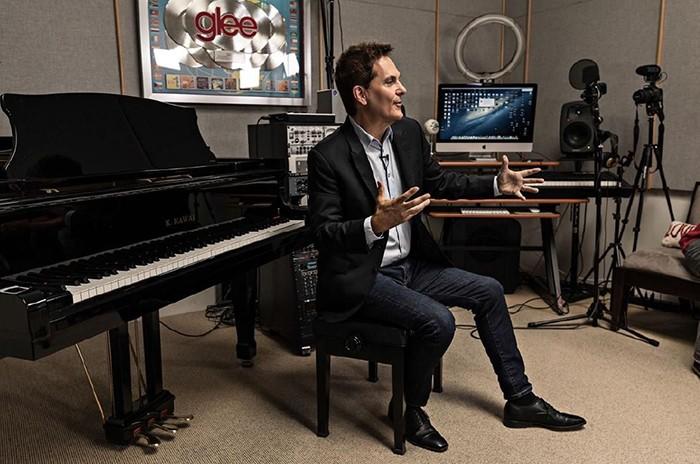
Not to mention the many thousands of people — from the dedicated amateurs to the enthusiastic moms and everyone in between — real people all over the world who I've taught how to sing through my lectures, seminars and programs.
Still, their proof will never be as powerful as the proof you give yourself — the very first time you experience Solid Air Flow and beautiful notes flow melodically from your very own voice.
That's why I created a new program…
Introducing
LOVE TO SING
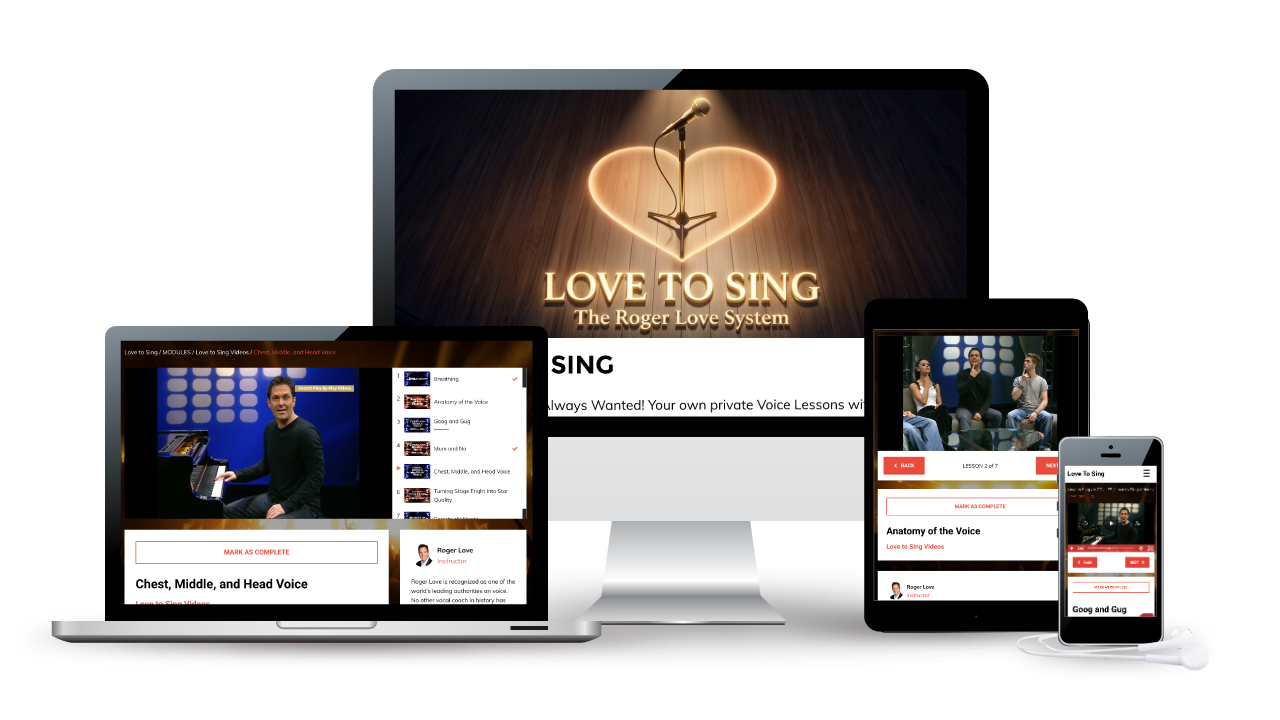
This is the step-by-step, at-home video training program that anyone can use to become a dramatically better singer — in just minutes each day. Everything you need to train that sequence lives in one place — no guessing about what comes first. Love to Sing is built in three tiers that mirror the exact order you just learned.
Tier One
The Solid AirFlow Sequence
The three coordination points — air, throat, the bridge — trained in the one order that makes each one hold.
- The accelerator-pedal move for your air. Most people reaching for a big or high note are flooring a pedal they should be easing — you'll learn the belly-balloon technique that turns raw breath into a dial you can open fast or slow, on purpose. I call it Solid Air Flow, and everything else stands on it.
- The one rule that quietly separates singers from shouters: only ever sing while your belly is slowly coming back in. It sounds almost too small to matter. It changes everything about how the right amount of air reaches your cords.
- The "garden-hose knot" hiding in your throat — the reflex that closes your airway the instant you reach for a high note (it's why your top notes feel missing or pinched) — and the Yogi-Bear trick that keeps the throat open on command.
- The exact seam where your low notes hand off to your high ones: the place your voice has always cracked. You'll learn why crossing it beats fighting it — and why fighting it is what leaves you feeling eight feet tall in a six-foot room.
Tier Two
Vocal Range & Style
Trainable vibrato, song and key fit, and your own style.
- Why "I wasn't born with vibrato" is a myth — nobody was — and the finger-tap "handshake point" that trains your voice to shimmer on a held note instead of drifting flat.
- The living-room-and-kitchen test: how to tell which voice a note belongs in before you sing it, so you stop "dragging the couch into the kitchen" and straining through the wrong one.
- Why the songs you've quietly avoided were never above your talent — only outside your old, untrained voice — and how to set a song's key so you and the song sound like partners, instead of you hiding in your most comfortable notes.
- The counter-intuitive path to a sound that's unmistakably yours: why imitating ten singers who sound nothing like you is exactly what melts into an original style no one can copy — because your own instrument won't let it come out as anyone but you.
Tier Three
Test, Perform, Keep
Your private Before & After Test, stage and mic technique, and lifetime access with daily warmups.
- The 1-2-3-4 stage pattern that works whether you're standing on a box in the garage or a stadium-sized stage — plus the small thing to do on your very last note that makes an audience care more about you.
- Where to actually hold a microphone (almost everyone holds it too far and loses half their sound), the slight tilt that kills the ugly "pop" on your P's and B's, and how to keep that live-show feedback screech from ever starting.
- Your private Before & After Test — the moment you stop wondering and simply hear it.
- Lifetime access and the Daily Warmups — the short exercises you come back to for good. As I tell every student: the songs never sound great until the warm-ups do.
Notice what happens: First you build the sound, then you make it yours, then you prove it and keep it — the same physiological order your voice actually depends on, so nothing gets taught out of sequence. The daily warmups and lifetime access aren't extras bolted on; they're simply how you keep an instrument in tune once it's finally playing.
The one test that settles it
You Don't Have to Take My Word for It
Record 'Happy Birthday' before your first lesson, then again after your last.
Two recordings of the same song, weeks apart, in the same voice — yours.
I'm confident you'll be blown away by the transformation you hear, or you pay nothing (more on that in a moment).
Your investment
A Tiny Fraction of What You'd Pay for Private Lessons with Me
I rarely accept private singing clients and when I do, it's usually an emergency situation, like a star needs to get ready for a movie or a legendary band must prepare for a big tour.
But when I do, it usually lands around $2,500–3,000 per hour.
The crazy thing — and good part for you — is that what I do in those sessions is the same process that I walk you through in Love to Sing.
You get my Solid Air Flow training, access to all 3 ranges of your voice (lower, middle, and upper), vibrato training and so much more.
The whole thing — every lesson
Just $197 today — every lesson you need to become the singer you've always dreamed of.
Guarantee
You're Protected By My 30-Day Before & After Guarantee: Try It Risk-Free for 30 Days
So here's the promise. Just this: Train the three coordination points — air, throat, the bridge — in the order that makes each one hold, using my Solid Air Flow Sequence. Then record yourself singing and hear it for yourself, before and after.
That last part is the whole deal. You don't take my word, and you don't take anyone else's.
You make one recording early, one recording later, and your own ears settle it.
You must be blown away — and I mean truly overjoyed, especially if you've done the practice — otherwise, I insist you let me know.
In the rare event that happens, anytime in the first 30 days, I'll refund every penny you paid. No questions asked.
Roger Love
Common questions
A Few Things You Might Be Thinking
Q: I've always figured I'm just tone-deaf. Aren't some people?
Chances are you are NOT 'tone deaf.' Real tone deafness is rare. What you actually have is three coordination points — air, throat, the bridge — that were never trained, in order. 'I'm tone deaf' isn't a diagnosis — it's a false label someone handed you once, and the points I teach are backed by outside research.
Q: I'd be mortified if someone heard me practicing.
Fear of judgment is real — I'm not going to pretend it isn't. This is why the first recording you make is just for you, before/after, no audience, so you can hear the change yourself first. Keeping this part private protects you from being judged, but it's also important that you follow the instructions so at least YOU can hear the difference.
Q: I'm the 'more heart than talent' type. Why fight it?
'What I lack in tone I make up for in enthusiasm' is a great line — and it's also a permanent ceiling if you never test whether the tone itself is trainable. It's trainable. Making up for tone with enthusiasm treats the tone as fixed. It isn't — the breath, throat, and register-bridge links behind it are documented as trainable, not just felt.
None of these fears survives an actual test.
Get Love to Sing — $197 Today →You Were Born to Sing. Now It's Time to Prove It — to Yourself.
Remember how we started?
Singing is reaching deep inside… grabbing a piece of your soul… and sharing it with the world.
That's why it feels so good. And it's why it can feel so scary.
For years, you let one cracked note — or one bad memory — talk you into keeping that piece of your soul to yourself.
But now you know the truth.
That crack was never a verdict on your talent. It was a signal — a single coordination point nobody ever trained.
And coordination can be trained. YOURS can be trained.
That's all Love to Sing: The Roger Love System really is — me, walking you through every step, in minutes a day, at home, until the voice you always hoped was in there finally comes out.
You don't have to take my word for it. You just have to do one small thing today.
Record yourself singing 'Happy Birthday.' That's your BEFORE.
Then start the lessons. And a few weeks from now, record it again.
I'm confident you're going to hear a voice you didn't even know you had… and if you don't, you pay nothing.
So go ahead. Make that first recording today.
The world has been waiting to hear you sing. And honestly? So have you.
Test Your Instrument Today →